The Connecticut Career Pathways Commission has sought public feedback on its draft recommendations and is now finalizing those recommendations to present to the legislature in February. Formed last spring, the Commission is seeking to develop pathways to help students explore their interests, understand career options, build skills, and connect classroom learning to future education, training, and employment.
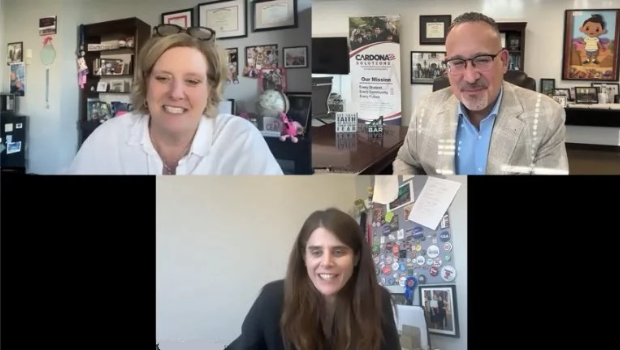
On the latest episode of CEA’s podcast, Commission chair and former U.S. Secretary of Education Miguel Cardona joins CEA President Kate Dias, a Commission member, and Vice President Joslyn DeLancey to talk about why this work is so important and how the legislature should think about its value not just to students but to the state as a whole.
As secretary of education, Cardona shares that he saw how states that were doing career pathways work well were able to attract major companies including Micron, which brough $15 billion to Idaho.
While describing career pathways as good pedagogy that engages students in learning by doing and helps them them better understand the opportunities available after graduation, he said that the impact of a successful program would benefit the entire state.
“This is good for kids and our education system, but this is also good for the State of Connecticut if we get this right,” Cardona says.
The Commission engaged a Yale economist to do an independent study, Cardona said, that found that every dollar that Connecticut puts into career pathways programs will yield between $29 and $75—money that goes back into the economy.
Listen to the entire discussion below, or wherever you get your podcasts.