It’s budget season, and across Connecticut, towns are struggling to pass budgets that fully fund their public schools. What would it look like to take a different approach to funding public education?
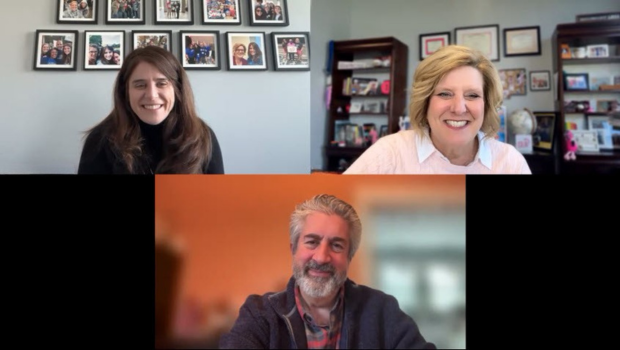
In the latest episode of CEA’s podcast, President Kate Dias and Vice President Joslyn DeLancey talk with Massachusetts Teachers Association President Max Page about lessons that can be learned from our neighbor to the north, which, in 2022 passed a Fair Share tax on multimillionaires to generate funding for education and transportation.
Page says that Massachusetts’ Fair Share Tax has allowed the state to provide free community college to every resident, free four-year tuition and fees for students with family incomes of less than $80,000, universal school meals, as well as additional funding for literacy, early education, and childcare.
“A lot of the issues that we fight for on a regular basis on the local, state, and national levels center around the problem that we can’t spend money we don’t have,” Dias says. There are leaders at all levels who put forth the narrative that positive change is impossible because there aren’t enough resources, she adds.
“Particularly in states like Connecticut and Massachusetts we have substantial grounds to challenge that assumption.”
Page explains that the Fair Share tax only affects those who earn more than $1 million annually, and is generating as much as $3 billion a year for the state.
“It did not even make a dent in the wallets of the uber rich,” he says. “This notion that the rich flee based on small changes in state taxes is an article of faith that is often exploited, and it is false.”
Listen to the full episode below or wherever you get your podcasts to learn more about Massachusetts’ Fair Share tax and the campaign to get it passed. Visit FairShareMA.com to find out more about how Fair Share funding is being spent.