As public schools across Connecticut face mounting pressure from proposed federal funding cuts, educator shortages, and escalating attacks on LGBTQ+ students, state and national education leaders participated in the 2026 Connecticut Education Issues Summit today to confront the most pressing challenges facing public education—and to outline solutions to protect students and strengthen schools.
“School districts are being forced to make increasingly difficult decisions—including cutting essential programs, reducing staff, and stretching already limited resources—hurting students and school districts, especially in our most vulnerable communities,” said CEA President Kate Dias. “This summit gave voice to education leaders who know what must be done to safeguard access to quality public education.”
“With the active dismantling of the Department of Education and no concrete plan to support students or teachers, we must come together to develop genuine solutions that improve outcomes for students,” said U.S. Congresswoman Jahana Hayes. “I commend CEA, as always, for not waiting for someone to invite them into the conversation but instead pulling together a summit like this to begin the work.”
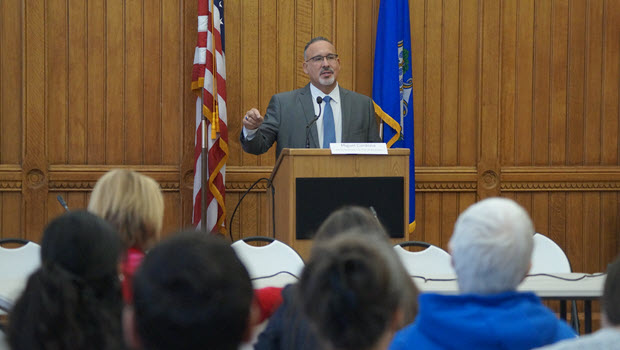
 “We’ve come together at a time where public education across the country is under attack,” said former U.S. Secretary of Education Miguel Cardona. “It’s on us to level up what we’re doing to protect public education and support our educators. When I became secretary of education, we had hundreds of thousands of vacancies in the teaching profession. They talked about a teacher shortage issue. The teacher shortage is a symptom of a teacher respect issue.”
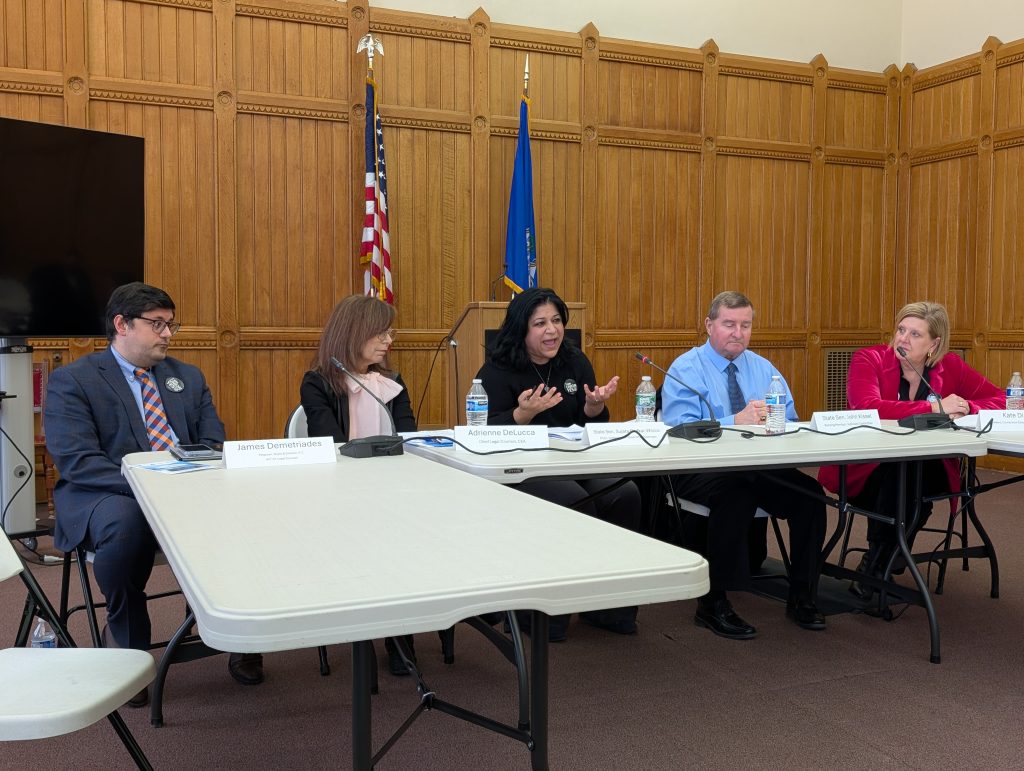
The summit was hosted by CEA, AFT Connecticut, the Connecticut Association of Boards of Education, and the Connecticut Association of Public School Superintendents. In addition to Hayes and Cardona, featured speakers included American Federation of Teachers National President Randi Weingarten, State Senators Martin Looney, Jan Hochadel, Sujata Gadkar-Wilcox, and John Kissel, and State Reps. Jennifer Leeper, Maryam Khan, and Kevin Brown. Speakers shared their concerns and suggestions to put students first, ensuring student access to essential learning, resources, and opportunities.
Throughout the day, panel discussions focused on educator workforce shortages, recruitment and retention, federal funding threats, and the growing need to protect vulnerable students.
“You cannot fix educator shortages, improve student outcomes, or create safe, inclusive schools without serious investment,” said Dias. “Protecting public education means protecting the people and resources that make learning possible.”
The summit concluded with a unified call for policymakers, educators, and communities to stand together for public education—before further damage is done. Speakers called on lawmakers to act now to invest in education and defend the protections that allow students and educators to thrive.