NEA members nationwide set the policies for the association, most notably through an annual Representative Assembly (RA) that convenes every July. NEA members at the state and local levels elect the thousands of RA delegates who, in turn, elect NEA’s top officers, debate issues, and set NEA policy.
Between RAs, the NEA Board of Directors, another democratically elected body, sets policy. Who sits on the NEA Board of Directors and what do they do?
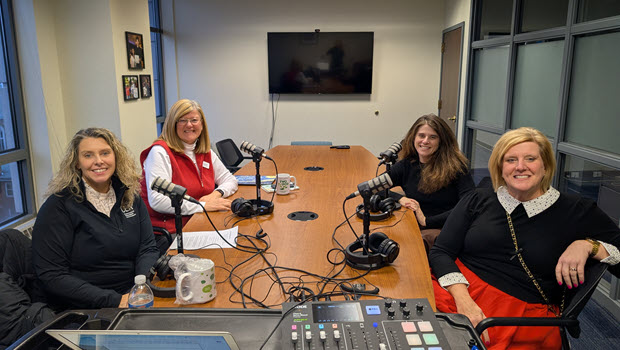
CEA has two NEA Directors, due to the number of members in our state, and both of them, Cheshire teacher Tanya Kores and Darien teacher Katy Gale, joined CEA President Kate Dias and Vice President Joslyn DeLancey on the latest episode of CEA’s podcast to talk about the role they play in association leadership.
“I like to think of us as liaisons to NEA,” says Kores. “At our meetings and everything we attend we gather information, we learn, we observe, and then we take information from Connecticut and pass it along to NEA and vice versa.”
“NEA is unique in that we have our Board of Directors but we also have state association leaders, and they’re very different roles,” says Dias, “but they have to be coordinated and working together.”
“We have fiduciary responsibility, we discuss and vote on the budget, we make decisions in the interim between RAs each year,” says Gale. “We have three set meetings a year. They’re two-day meetings, though sometimes they go longer, and thanks to the magic of Zoom, we now have extra meetings throughout the year.”
Gale says that one of her favorite parts of the job is what’s known as Super Week, when she and the other NEA Directors and state leaders go to Capitol Hill to lobby lawmakers.
“Three times a year NEA surges on Capitol Hill and there are educators in all the buildings, in all of the offices, knocking on doors and making sure there’s an education conversation happening in each and every senator’s and representative’s office,” Dias says.
She adds, “It’s pretty extraordinary, and we should never take for granted that we’re so intentional about being present on Capitol Hill.”
“It’s about building relationships,” Kores says. “Because of the connections we make during Super Week we can call the staffers for our House or Senate members at any point in the year and have great conversations and dialog with them. The personal stories that we share give them perspective they wouldn’t have if we weren’t there having those conversations.”
Listen to the entire episode below or wherever you get your podcasts.