“I love negotiating, and having that privilege to collectively bargain—which not all teachers across the country have—means we should make the most of that opportunity and work toward the best contracts possible for our members,” CEA Vice President Joslyn DeLancey told educators gathered at CEA’s Negotiations Conference in April.
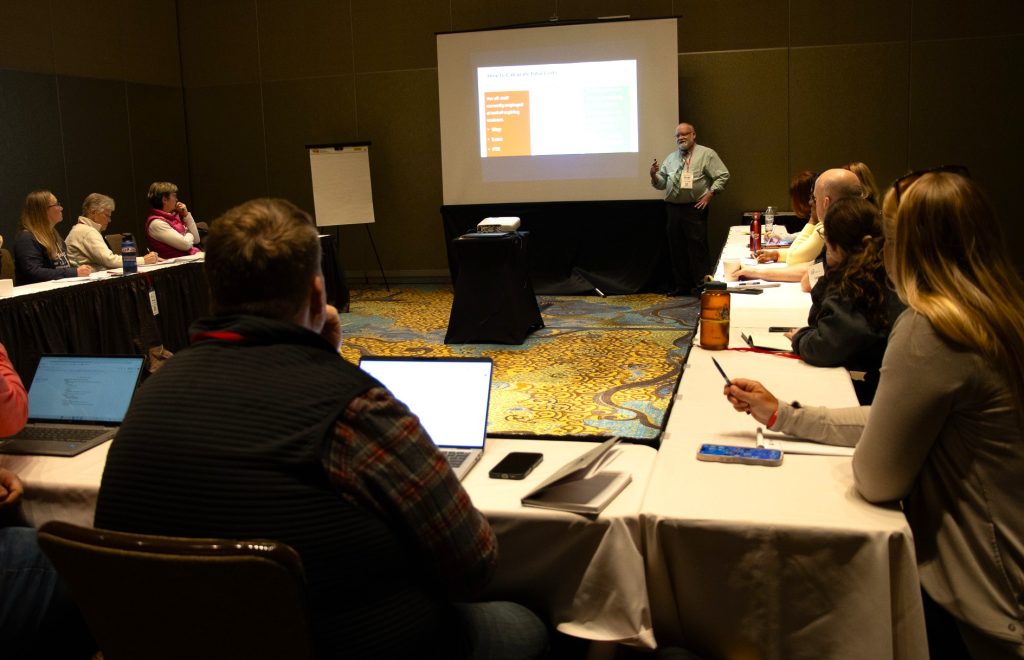
The conference, aimed at local leaders and members who sit on negotiations committees or are interested in taking up that work, focused on new approaches to bargaining and preparing now for the next round of negotiations. Session topics included beginning negotiations, building strong salary schedules, bargaining insurance, and engaging members around bargaining.
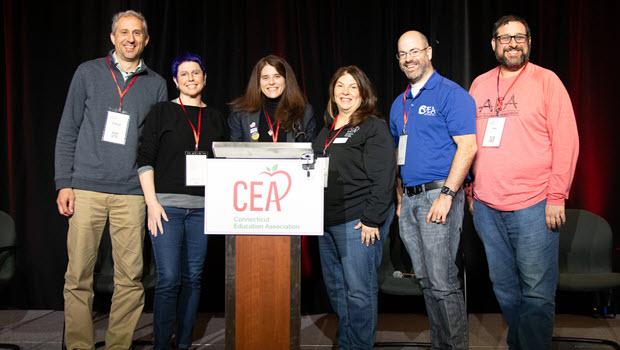
[Pictured above are Ethan Spinelli, RHAM (Region 8); KC Petruzzi, Granby; CEA Vice President Joslyn DeLancey; Evelisa Mayette, Berlin; Barry Palmer, Darien; Jon Moss, Avon.]
“We must be creative about the strategies we use and build a system where our expert staff and our members who are experienced in negotiations get together to really dive into the important work of what it means to bargain effectively and to build power in our association,” DeLancey said.
The day kicked off with a panel of local leaders who sit on CEA’s statewide Negotiations Commission and have experience bargaining contracts. They shared the challenges and successes of contract negotiations and offered practical advice and tips to new and experienced members alike.
Granby Education Association President KC Petruzzi said that one of the things she most appreciates about bargaining is that it ensures local leaders take the time to really get feedback from members.
“My team has just started meeting and we’re about to go out and survey members and have some individual conversations,” she said. “We want to be able to really educate the board about the lived experience of this contract for members. I think it’s very eye-opening for the board of education and gives them the opportunity to learn about how their decisions are impacting their employees. There isn’t another time when the board really sits and listens to the same amount and depth of information about your members.”
“I’ve negotiated two contracts as a local president, and what excites me more than anything is the way that contract negotiations can start to really engage our members in what the role of the union is,” says Darien Education Association President Barry Palmer. “We’re there to shape change and advocate for teacher voice every three years, and it’s a reminder for our staff that their union is fighting for them and that, if they see something that’s not working well, they can help push for change and advocate for better policies and conditions for both staff and students.”
Forming the team
The local leaders all stressed that ensuring diverse representation on the bargaining team strengthens negotiations.
“I really enjoyed putting together a team with diverse skills that would work well together toward the common goal of improving things for the entire membership,” former RHAM (Region 8) Education Association President Ethan Spinelli said.
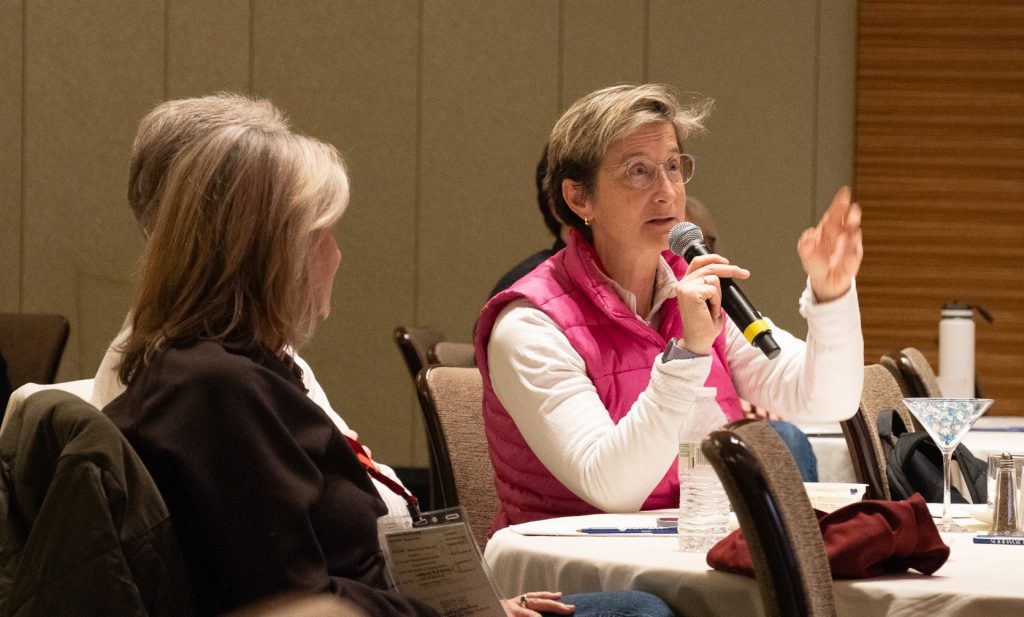 “You want voices from a lot of different stakeholders,” Petruzzi added. “You want to have elementary teachers because oftentimes the contract language is written in these concrete increments for secondary school that doesn’t translate well to an elementary school. Having special education teachers on your team is huge. It’s really hard for them because they’re so stressed for time and there’s so much on their plates, but it’s so important to have their voices because they’re often dealing with some of the biggest problems. You also need somebody who’s comfortable on the business side to do all that number crunching. I’ll reach out to the business teacher because I know that’s her wheelhouse and I’ll say, ‘I’m not asking you to come to the table, but as part of this preparation, we need your help.'”
Petruzzi said that her negotiations team is fairly large and represents all of the buildings in the district, different grade levels, special education, regular education, and teacher leader positions, but that doesn’t mean that every person on the team will go to the table to bargain.
“It’s essential that they’re part of the research process though, so we know what information we need to request from the district and what language we want to look for in other contracts,” she explained.
Facing challenges
Evelisa Mayette, the president of the Berlin Education Association, has negotiated six contracts for her local. She said that the hardest part of negotiations is hearing negative comments from the board of education that stick with teachers long after a contract is successfully ratified.
“We don’t ask to add things to the contract without strong rationale,” she said. “The things we ask for are necessary because we are living this contract, and so when we hear from the board what feels like a negative view of us in our roles as teachers in the district, it can be very demoralizing.”
“There were times years ago when we were bargaining that the environment was very contentious,” said Avon Education Association President Jon Moss. “It got personal. You’d hear comments like, ‘I don’t know why you’re asking for more planning time. All of your lessons are written out in the teachers’ manuals that we buy you. Why do you need all this extra planning time? What are you doing with it?'”
Moss said that he’d have to remind himself and other members to take a deep breath and stay seated. While the tone during negotiations has now improved, Moss said that it can still be difficult to remain calm when hearing certain comments from the board or their legal counsel.
 “You have to remember, none of this is personal,” he said. “It gets personal because they say things that are personal to us, but it’s business, and so you have to try and keep the emotionality out of it. That’s a hard thing, especially for teachers.”
“There’s a lot of theater involved at the negotiating table. If you are a leader of your negotiations team, the more you can prepare the new members for that theater the better,” Palmer said. “Tell members, ‘They’re going to try to get us mad. They’re going to try to get us to react. Their goal is to try to make us feel like we are doing something wrong.'”
He added, “They’re also going to try to divide you. Our unions represent pre-K to 12, and our membership has a lot of different needs. The board attorneys are aware of that, and they’re going to try and use that to keep you off your game as much as possible.”
“Have that conversation early with the members of your team—that you’re there to represent the needs of your entire local association, all of your members, and everyone has to look at it from that lens,” Moss recommended. “We want to negotiate a contract that is good for the entire bargaining unit, not just the individual people on the bargaining team.”
What’s next
Interested in learning more about negotiations? Registration is now open for CEA’s Summer Conference which, among a wide variety of options, offers sessions on beginning negotiations, engaging members in the bargaining process, bargaining insurance, leveraging statewide negotiations trends, and fresh ideas for contract proposals.
Check out the many contract and negotiations resources CEA has available for members.